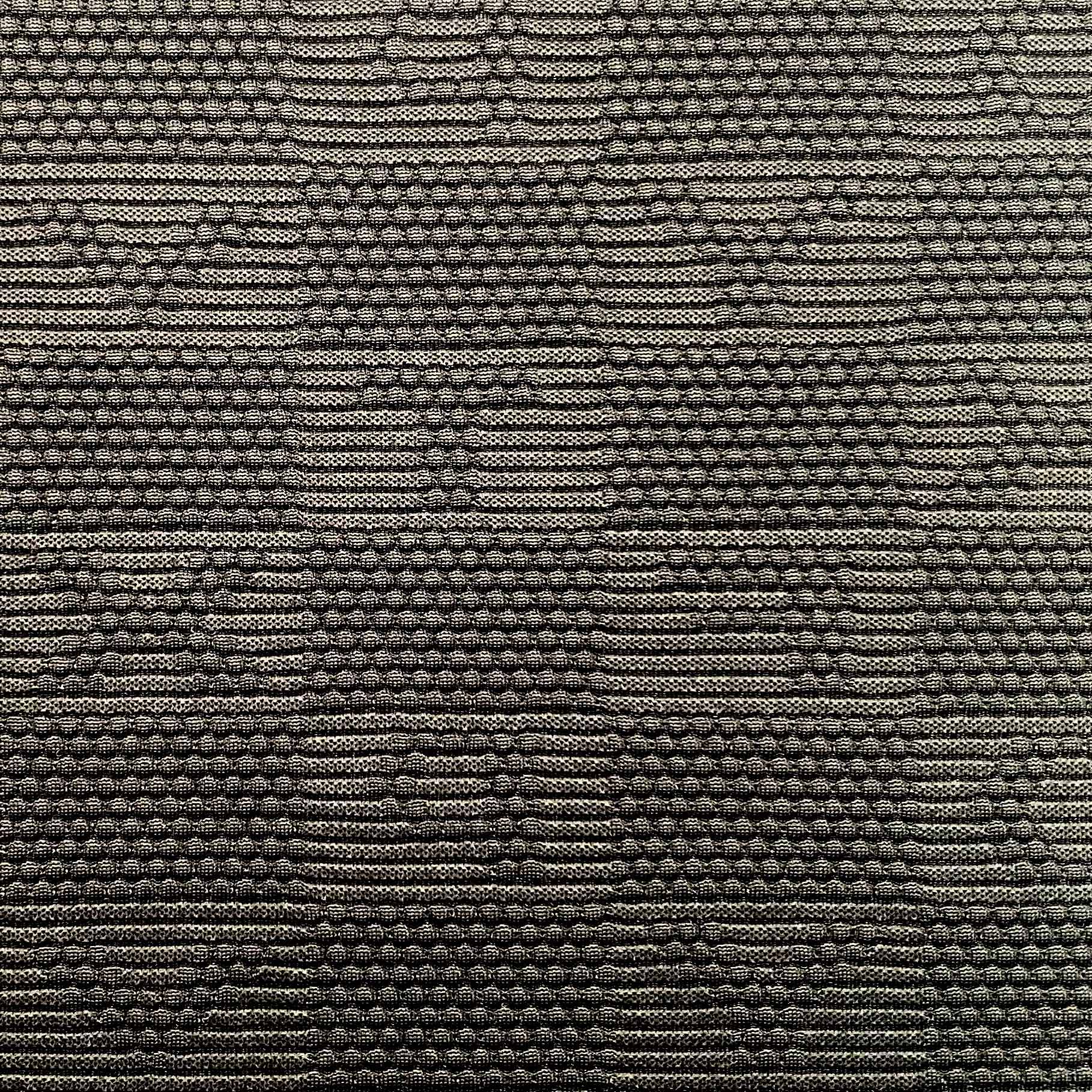
Tecido Jacquard Preto HT1569-1
Se você quer ser legal, este tecido de alta qualidade é bom para você. O elastano de náilon é um tecido elástico durá
Ver detalhes
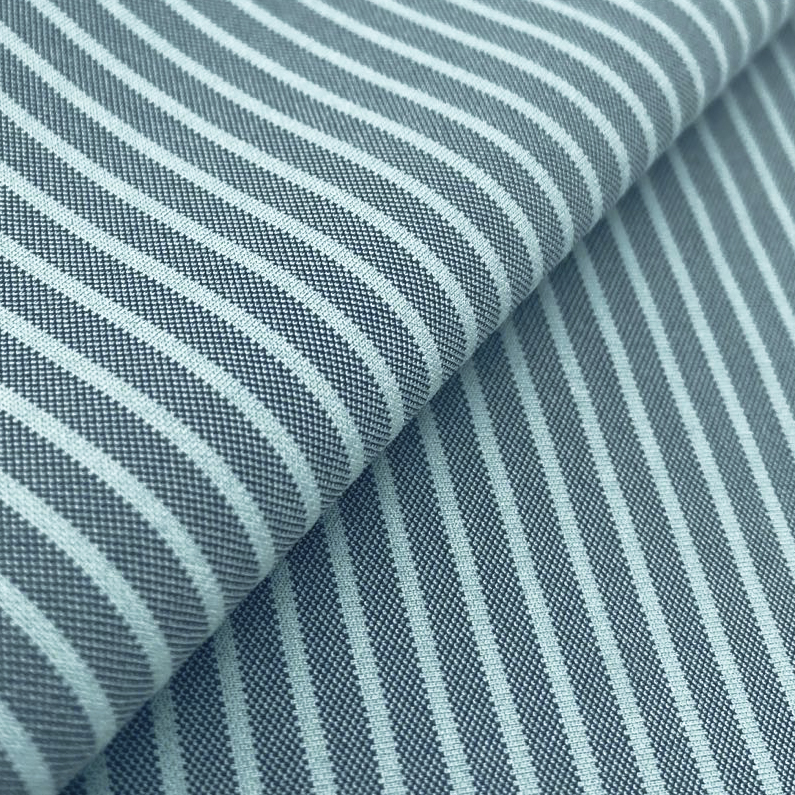
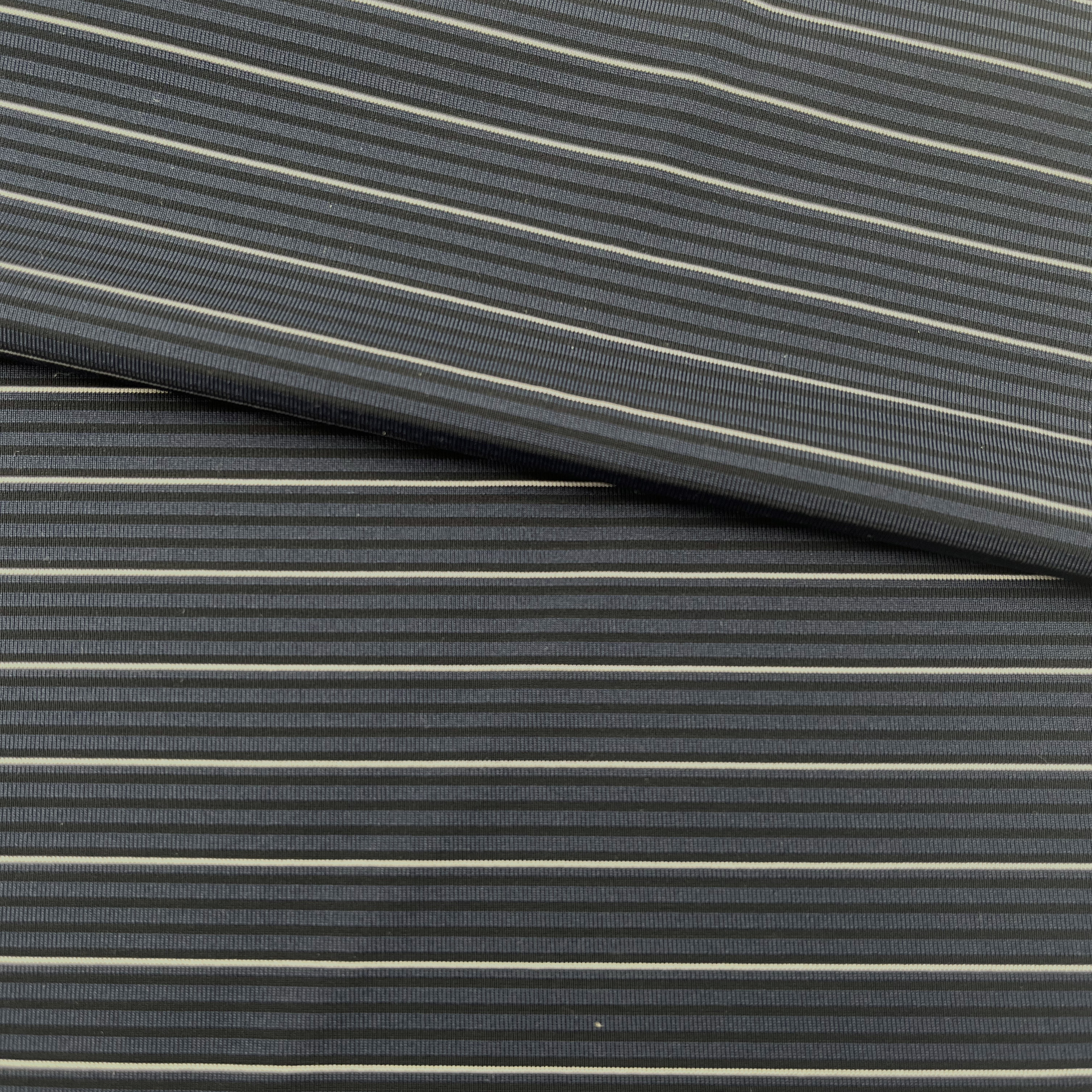 72% de nylon 5% poli 23% spandex, peso 175 GSM Largura 154 cm Fabric de camisa única HT1635
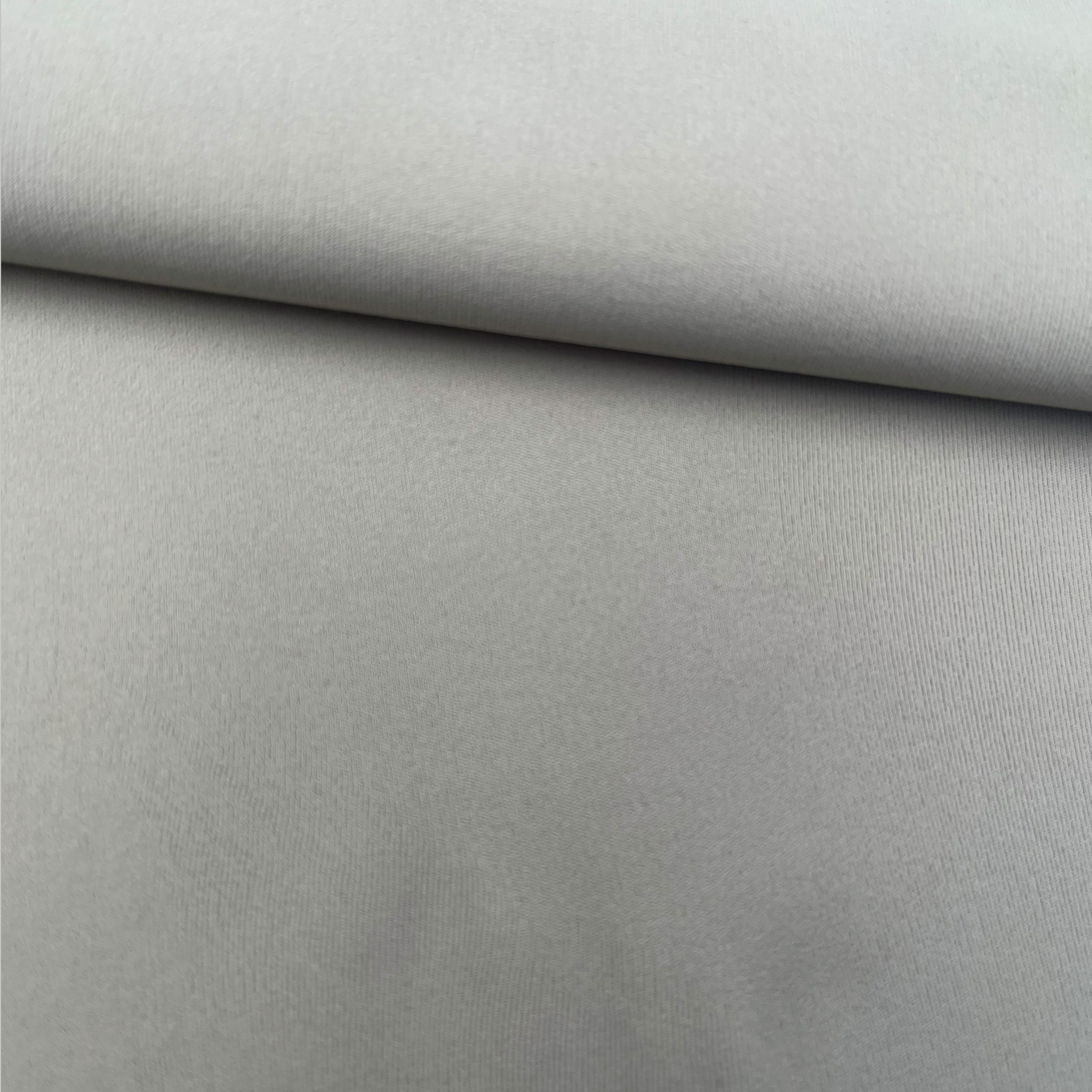 73% de nylon 27% spandex, peso 220 gsm largura 156 cm Khaki Solid Weft Intertravamento HT1645
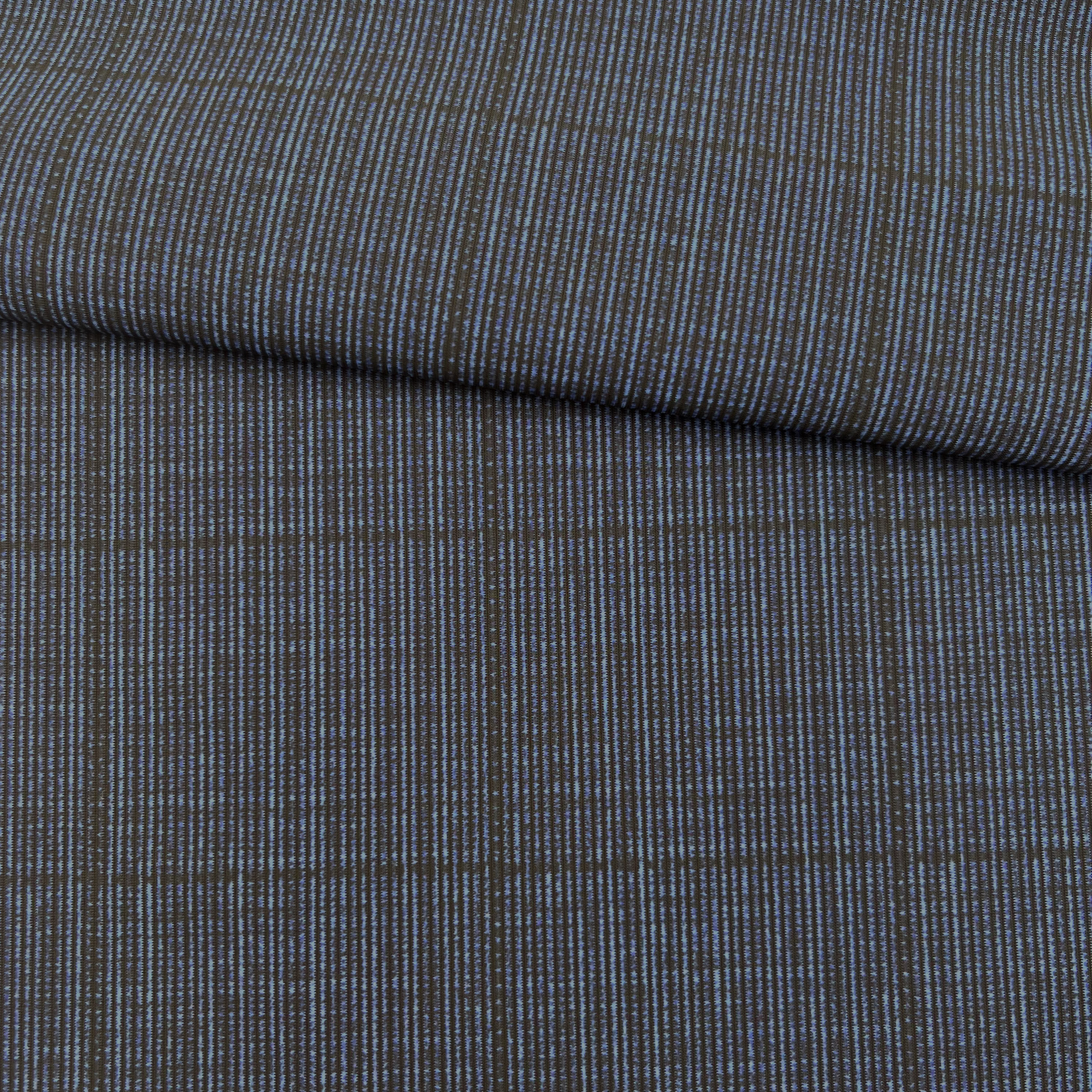 42% poli 38% nylon 20% spandex 155 gsm 150 cm largura azul preto tricô kf000598
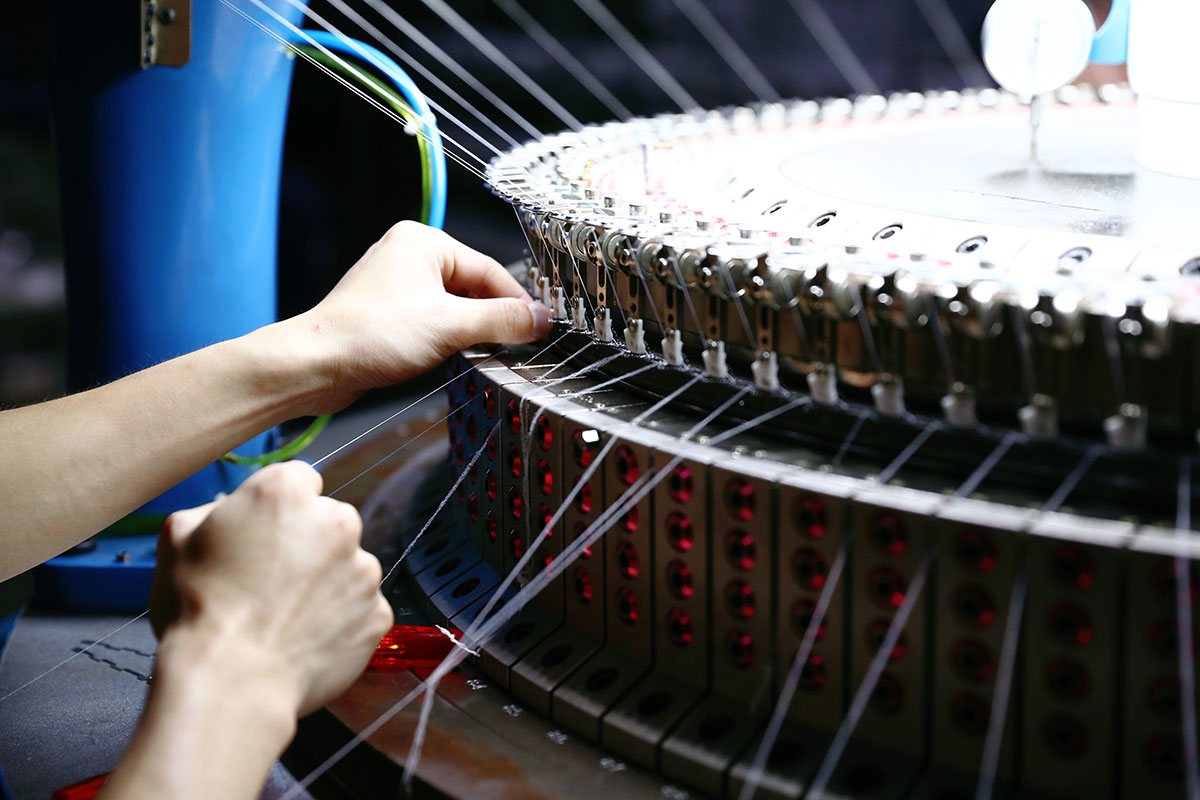
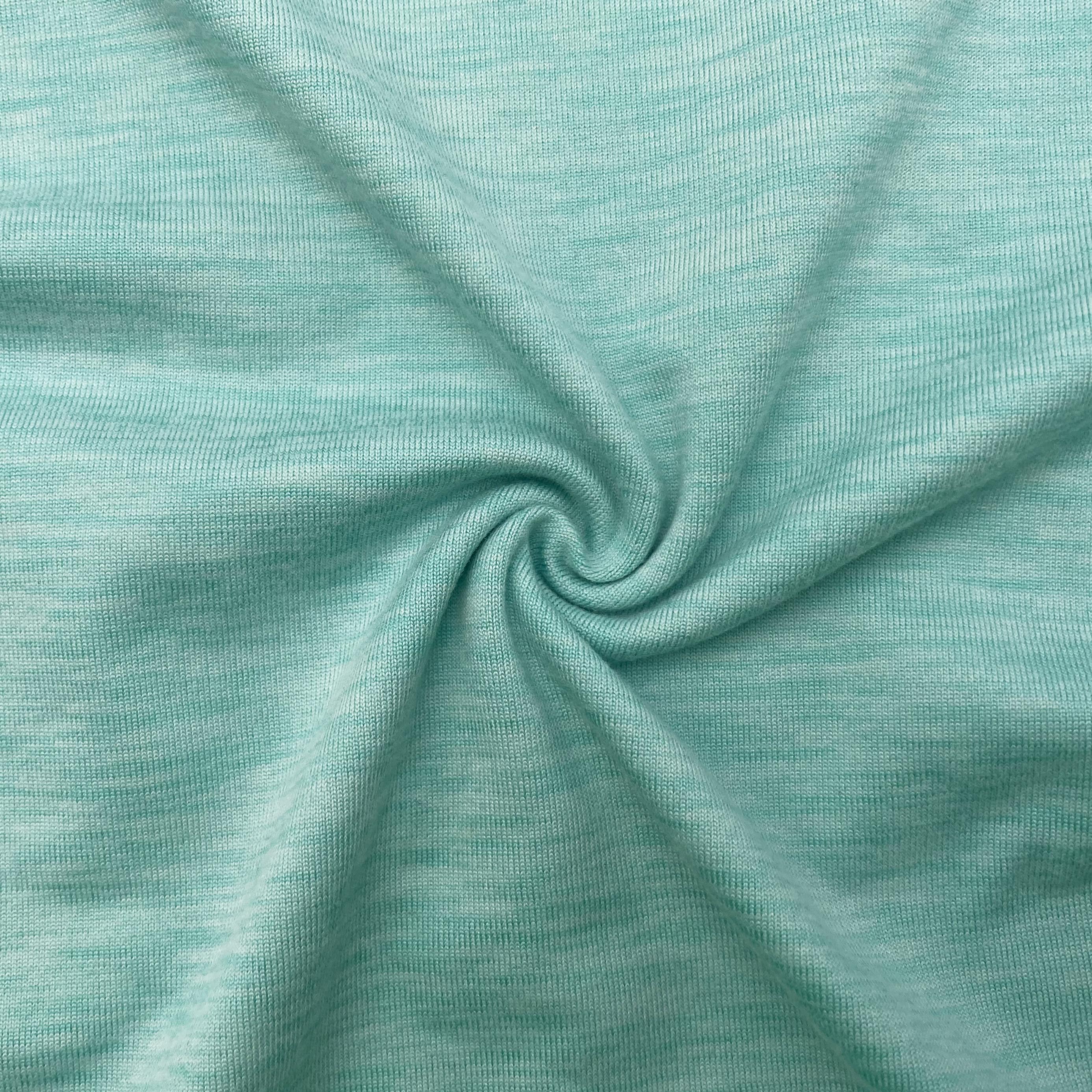
Jersey Fabric, Knit Fabric e Interlock Fabric são todos tipos de têxteis comumente usados para fazer roupas, roupas de cama e outros itens domésticos. Eles são conhecidos por sua maciez, elasticidade e durabilidade, tornando-os uma escolha popular entre os consumidores.Jersey Fabric é um tecido de malha feito de fibras naturais, como lã, algodão ou fibras sintéticas, como poliéster ou elastano. É caracterizada por sua superfície lisa e elástica e bordas com nervuras. O Jersey Fabric é frequentemente usado para fazer camisetas, vestidos e outras roupas que exigem um ajuste elástico e confortável. Também é uma escolha popular para fazer lençóis e fronhas devido à sua maciez e respirabilidade. Tecido de malha, por outro lado, é um tipo de tecido que é feito entrelaçando laços de fios ou linhas. Caracteriza-se por sua natureza elástica e flexível, tornando-se uma escolha popular para fazer roupas e outras peças de vestuário. O tecido de malha é feito de uma variedade de materiais, incluindo lã, algodão e fibras sintéticas, como poliéster e elastano. É frequentemente usado para fazer camisetas, suéteres e outros itens de vestuário que exigem um ajuste confortável e flexível.
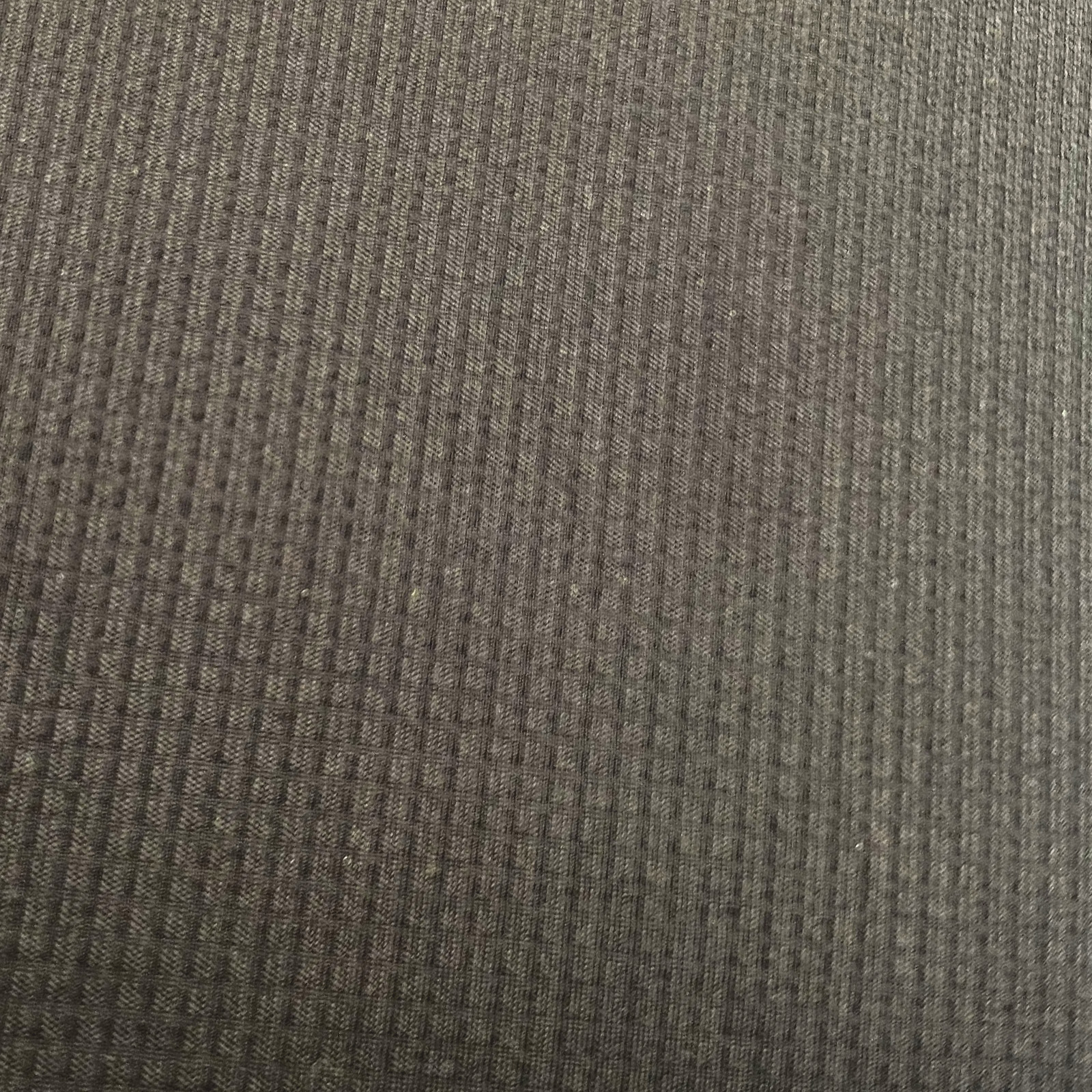



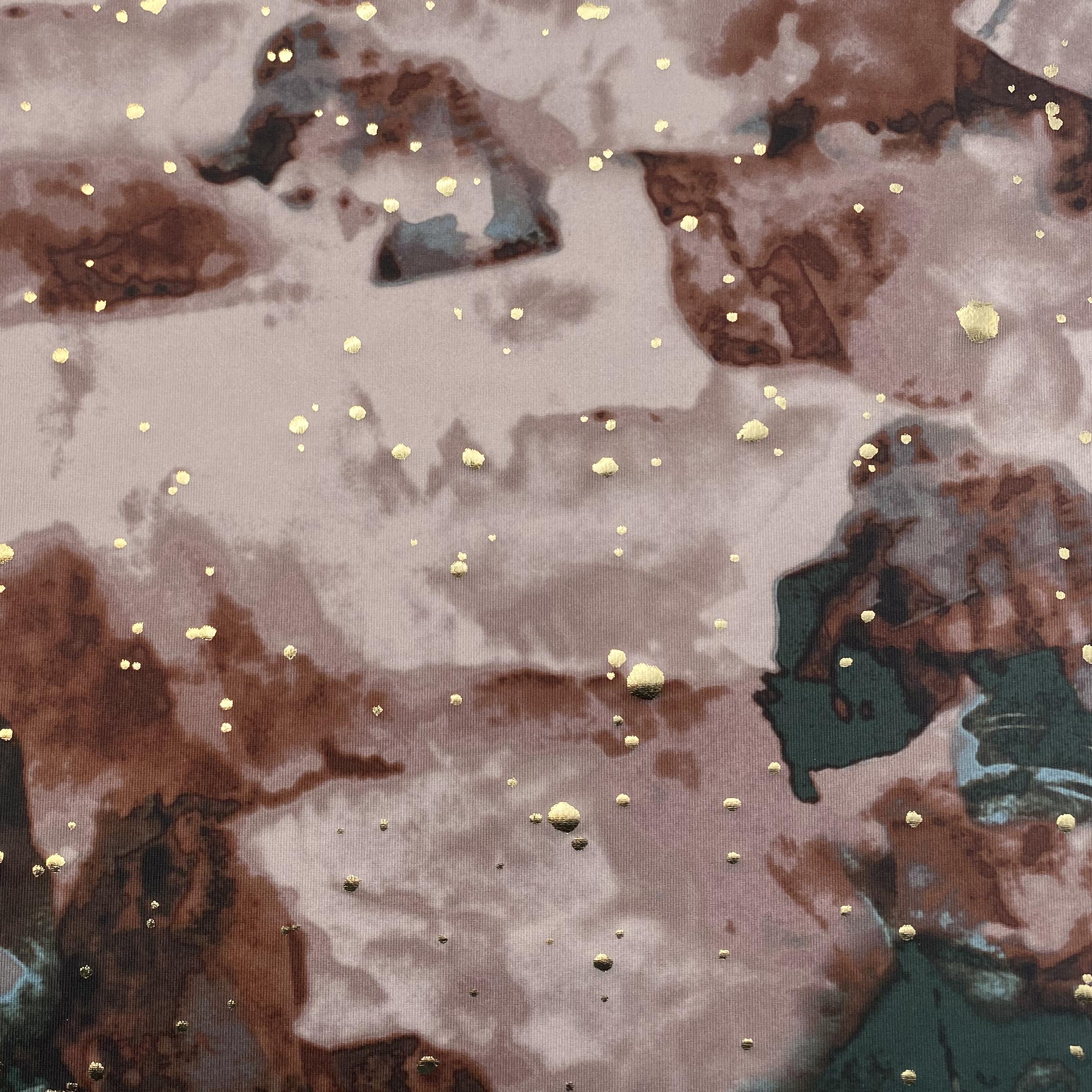
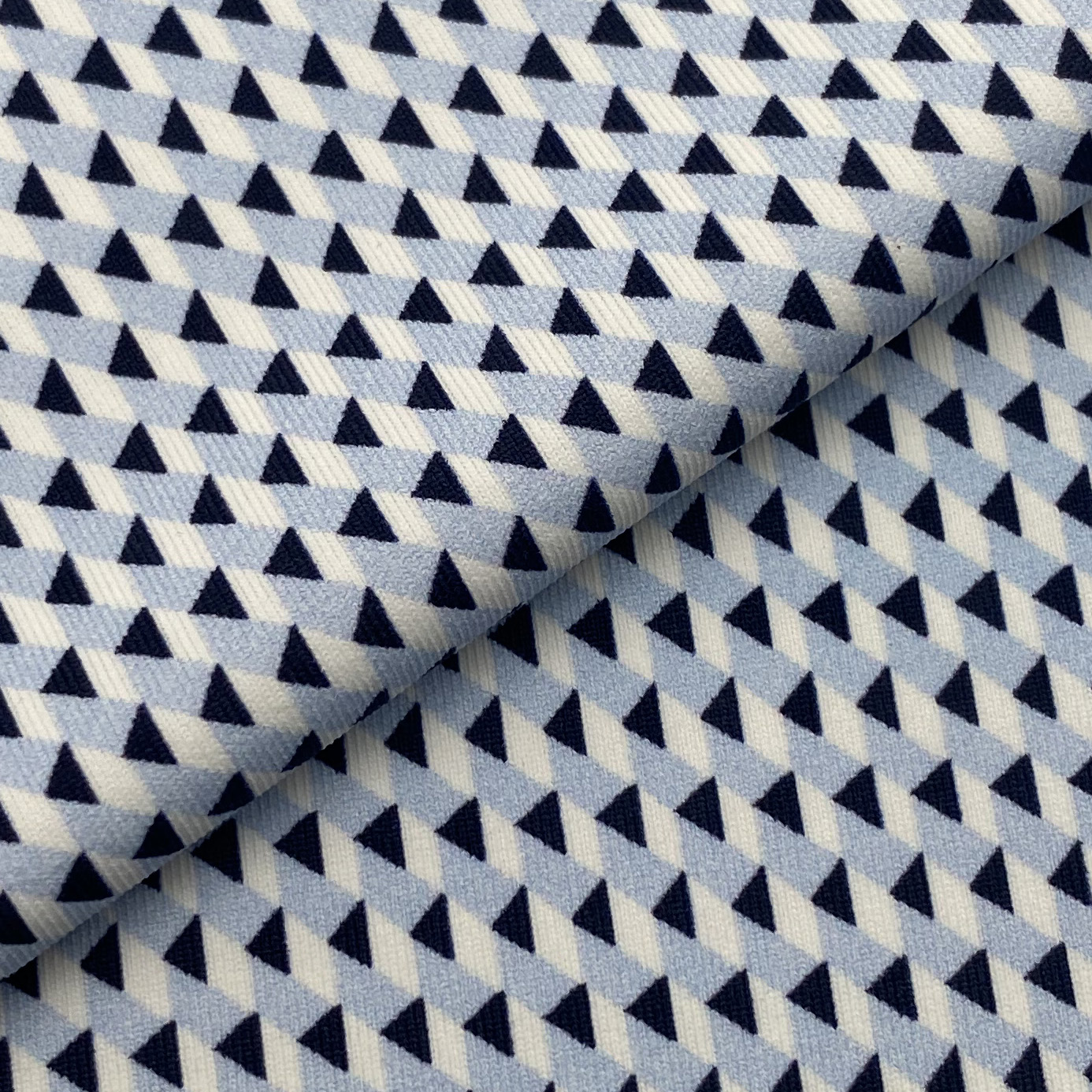
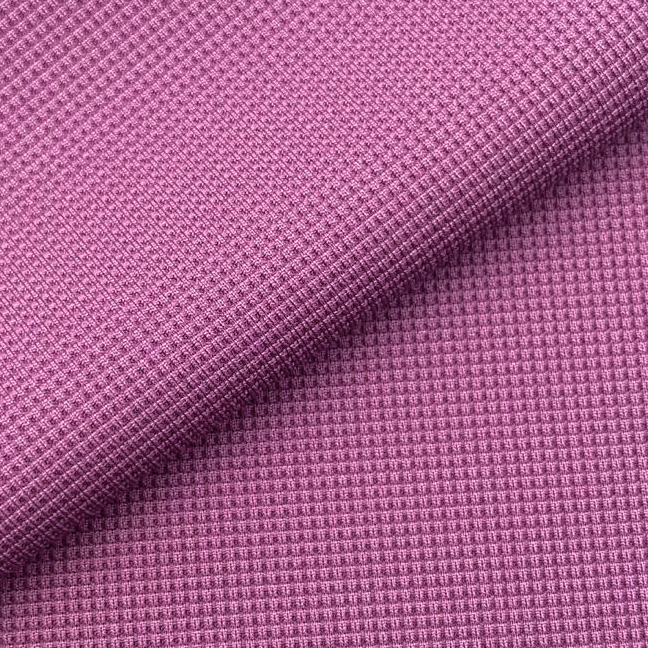
HT1507
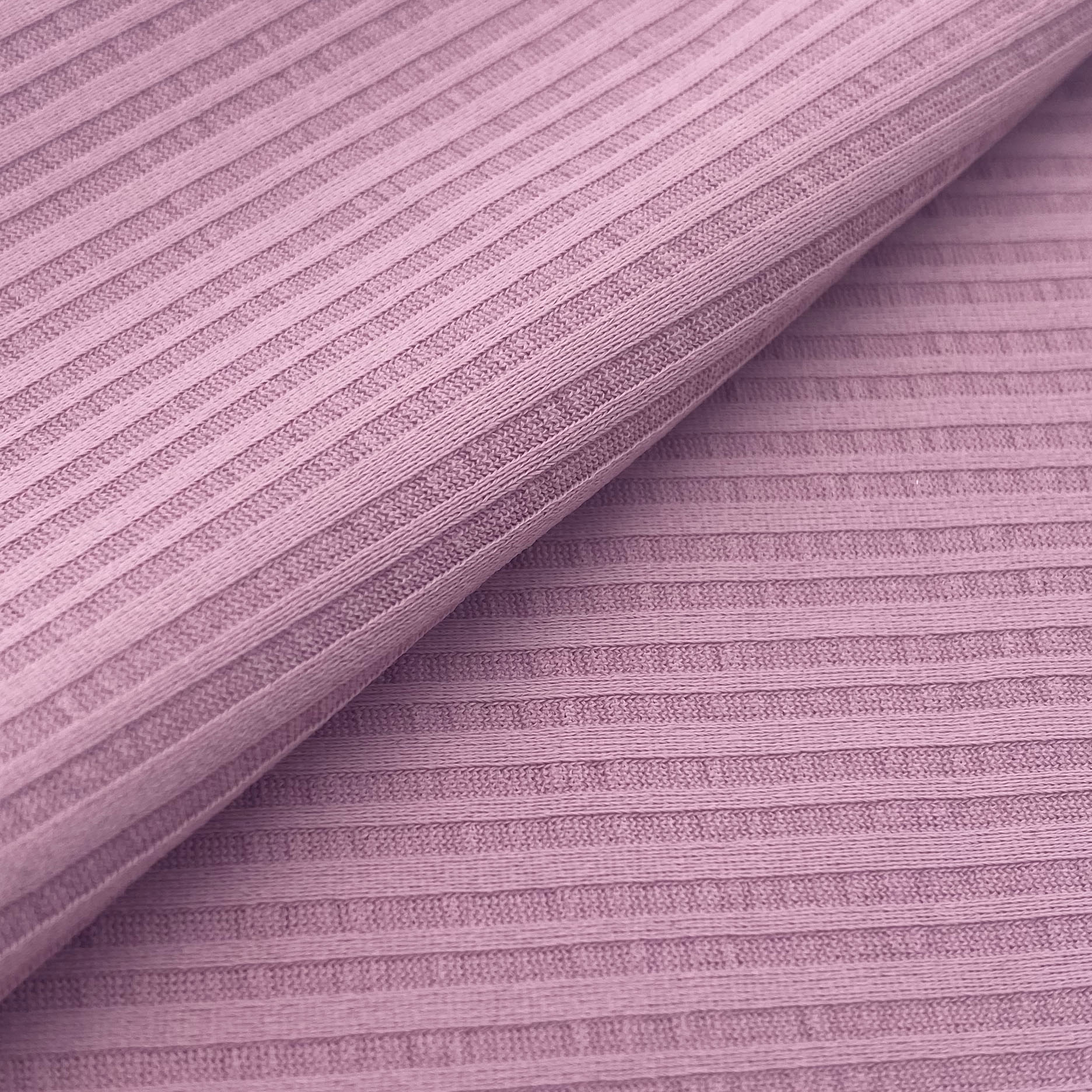
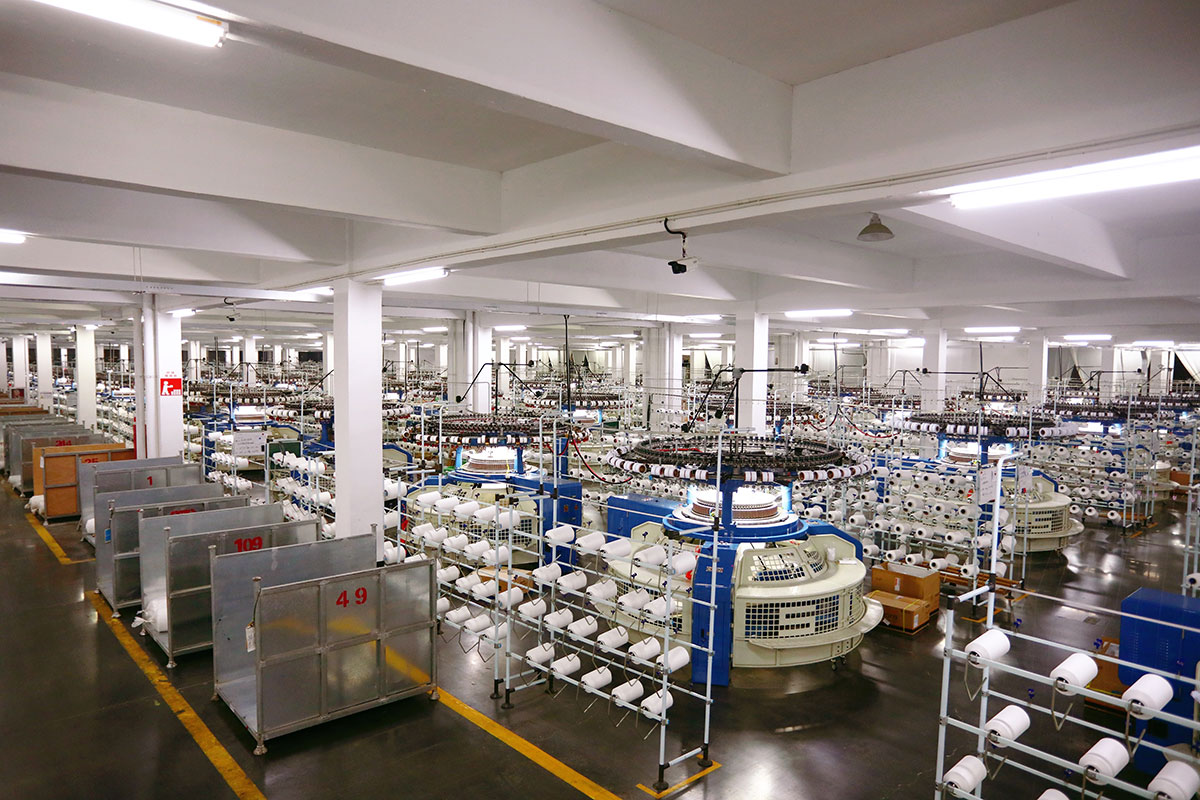
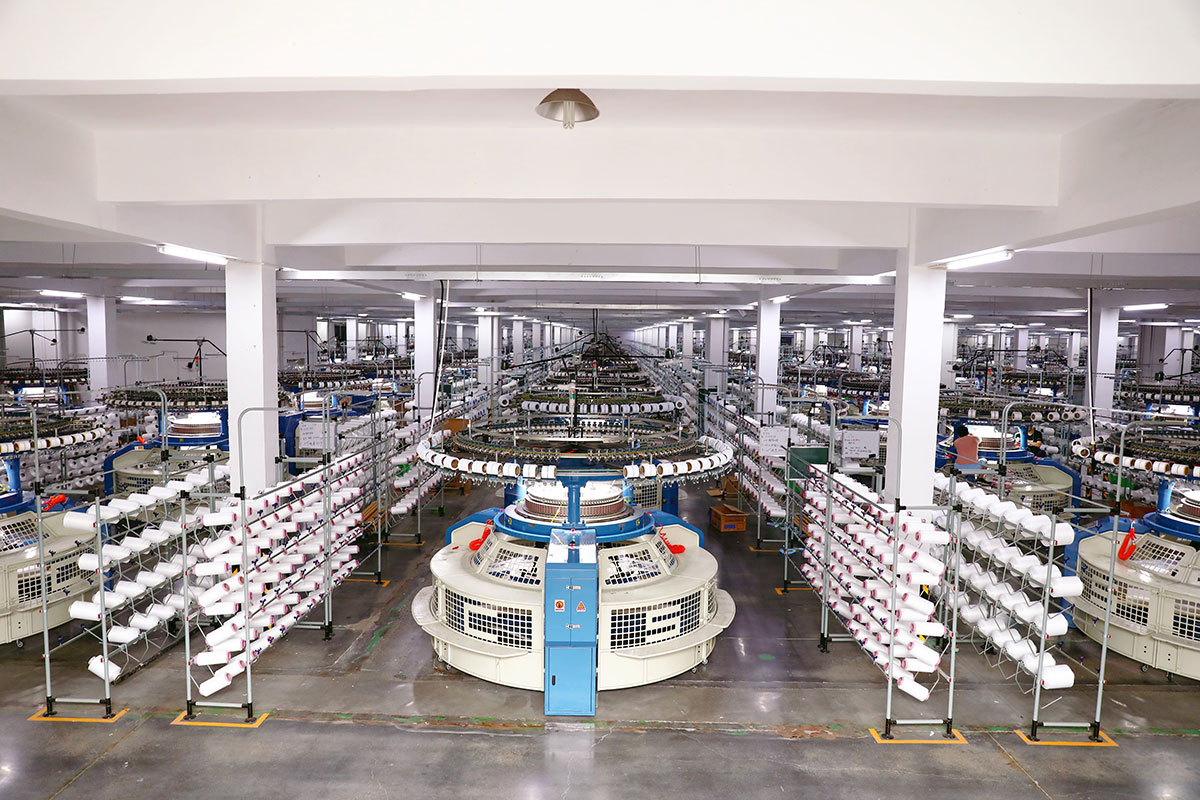
Haining Yitai Knitting Co., Ltd é famoso China Coleção fabricante e Coleção fábrica. Agora, em vez de buscar custos trabalhistas mais baixos, maior produção e preços mais baratos, estamos mais focados em maior qualidade e melhor serviço de suporte. Após 15 anos de desenvolvimento, construímos um excelente grupo de P&D, equipe de marketing, sistema de controle de qualidade, instalações de suporte de tingimento e acabamento experientes e sistema de atendimento ao cliente. Característica: à prova d'água, respirável, estiramento confortável, mantenha-se aquecido, sem experiência de suor, desodorização antiestática e antibacteriana, evolução eficaz da poeira. oferecer Coleção com nossa manufatura.
20
2026.03Tecnologia avançada de tecido de ioga: guia sem costura, antibact...
Como selecionar a tecnologia de tecido mais adequada com base nos estilos de Yoga Escolher a tecnologia de tecido certa é crucial, pois diferentes estilos de ioga têm impactos fisiológicos ...20
2026.03Selecionando tecido de ioga: guia para peso GSM e elasticidade de...
Como escolher o peso e a elasticidade do tecido de ioga com base na intensidade do exercício Ao selecionar tecidos para ioga, Conteúdo de elastano (que determina elasticidade e compr...20
2026.03Guia de tecido de ioga de alto desempenho: componentes, testes de...
Principais componentes dos tecidos para ioga e seu impacto no desempenho De acordo com as fontes fornecidas, os principais componentes dos tecidos de malha para ioga de alta qualidade norma...Jersey fabric, knit fabric, and interlock fabric are all widely used in the textile industry and offer unique characteristics and applications. Understanding the differences between these fabrics can help you make informed decisions when choosing the right material for your specific needs.
Jersey fabric is a type of knit fabric known for its lightweight and comfortable nature. It is typically made from a combination of natural and synthetic fibers, such as cotton, polyester, or rayon. One of the distinctive features of jersey fabric is its ability to stretch in both width and length. This fabric has a smooth and flat surface on the right side, while the wrong side has a slight vertical rib appearance. Jersey fabric is commonly used in t-shirts, dresses, activewear, and other garments that require a good amount of drape and stretch.
Knit fabric refers to a broad category of fabrics that are produced by interlocking a series of loops. It can be made from various materials, including cotton, wool, polyester, or a blend of fibers. Knit fabrics are known for their stretchiness, flexibility, and excellent draping qualities. They are comfortable to wear and allow freedom of movement. Knit fabrics come in different variations, such as single jersey, double knit, rib knit, or jacquard knit, each offering unique textures and appearances. This fabric type is commonly used in sweaters, socks, sportswear, and various other applications where stretch and comfort are desired.
Interlock Fabric:
Interlock fabric is a type of double-knit fabric with a smooth and luxurious feel. It is constructed with two sets of warp yarns and two sets of weft yarns that create a double-layered, reversible fabric. Interlock fabric is thicker and more stable compared to jersey fabric, making it less prone to curling at the edges. It has a similar appearance on both sides and offers excellent stretch and recovery properties. Due to its stability and durability, interlock fabric is often used for activewear, baby clothing, casual wear, and other applications that require a fabric with good recovery and shape retention.
In summary, while all three fabrics (Jersey, Knit, and Interlock) fall under the broader category of knit fabrics, they differ in terms of stretch, weight, appearance, and application. Jersey fabric is lightweight and highly stretchable, knit fabric offers versatility and stretch, and interlock fabric provides stability and durability. Choosing the right fabric will depend on factors such as desired stretch, weight, drape, and intended use of the final product.

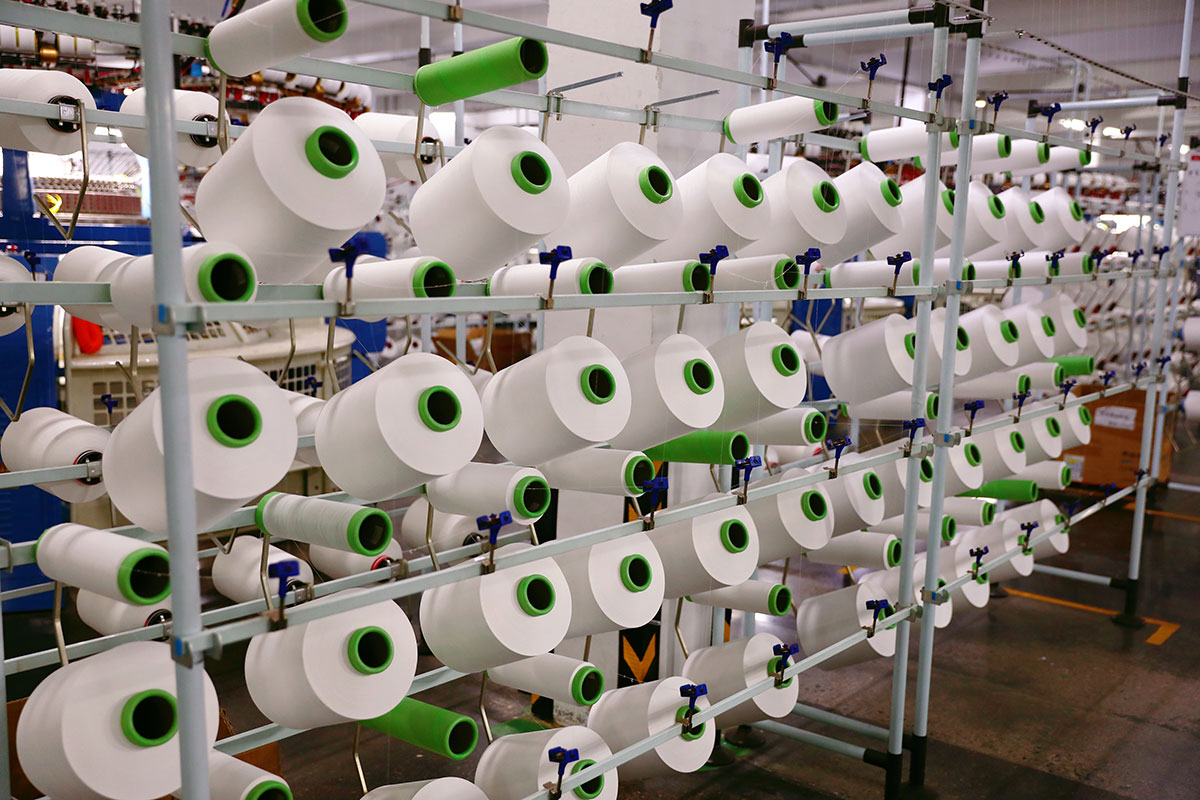
Como Yitai, desde 2004, fabricamos tecidos esportivos de malha, como tecido interlock, tecido jersey, tecido de náilon, tecido de elastano, tecido de poliéster etc. sistema de serviço.
Haining Yitai Knitting Co., Ltd
No. 198 Canghai Road, Warp Knitting Zone, Haining City, Zhejiang, 314419, China Tel: +0086 198 4426 7532 E-mail: [email protected] [email protected]SIGA-NOS